
21 fascinating discoveries about Peru
There’s no way you can see more than a small percent of a country the size Peru in the space of just two weeks, however diligently you plan your itinerary. But boy what you can see in fourteen experience-packed days of exploring and adventure is more than enough to confirm that this vibrant, varied destination populated with colourful, friendly people is more than worth the long journey to get to.
There’s a breakdown of our full itinerary at the end of this, but rather than go through it one captivating, rewarding, enjoyable place at a time, I thought instead I’d share some of the fascinating discoveries I made about it’s history, landscapes, wildlife agriculture and people along the way.
Discovery one
Peru is a richly fertile country despite 40% of it being covered by the Andes mountains, a geographical challenge which doesn’t deter farmers from growing crops on absurdly vertiginous fields. Their prolific agricultural output includes no less than 1,500 different varieties of corn, 6,000 varieties of potatoes and 200 different sorts of quinoa
Discovery two
Sticking with the food theme since that’s where I’ve started, those of you of a sensitive disposition might want to skip to the next discovery….
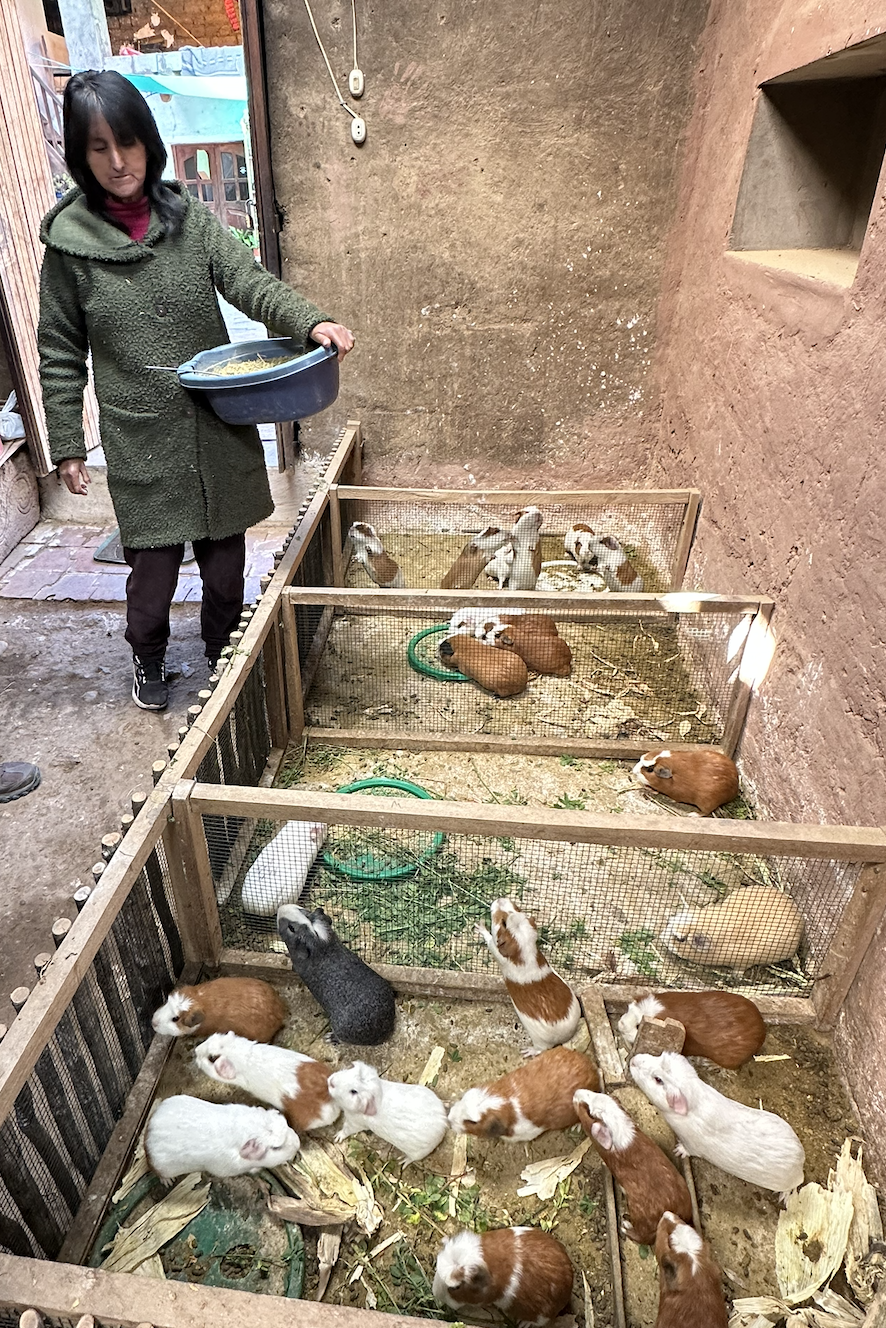
….because guinea pigs are a widely eaten delicacy across Peru and a lucrative source of income for breeders like the women in the picture above. Apparently guinea pig meat is so rich in protein doctors often recommend cancer patients should eat it at least twice a week.
Discovery three
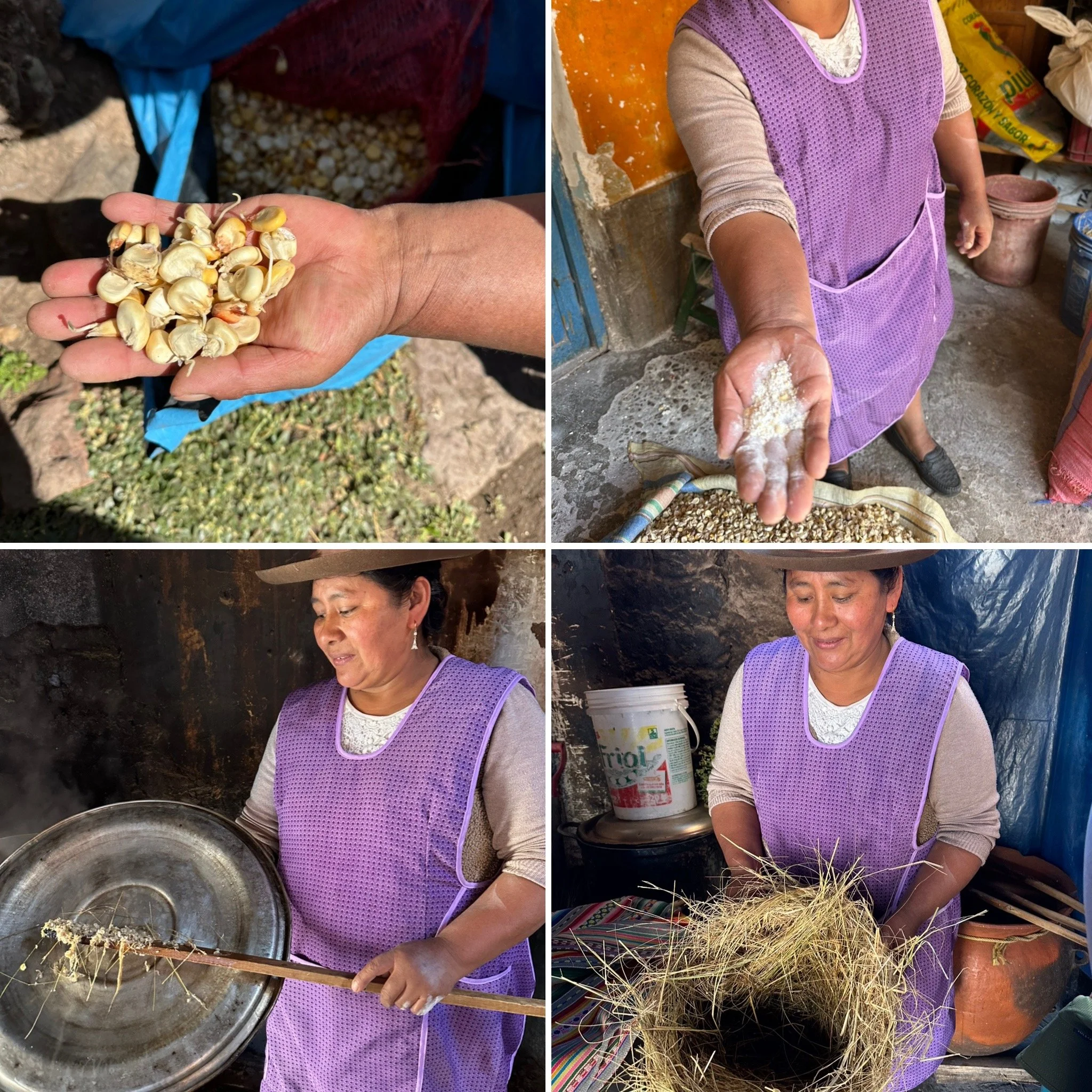
One of the most popular beverages amongst Peruvians is chicha, a fermented drink made from corn. It’s most widely referred to as ‘ahcha’ because that tends to be the reaction when you drink it on account of its sour taste. Before you start sipping, you must first pour a small amount on the ground to thank mother earth, and flick a bit into the air in thanks to the gods.
Discovery four
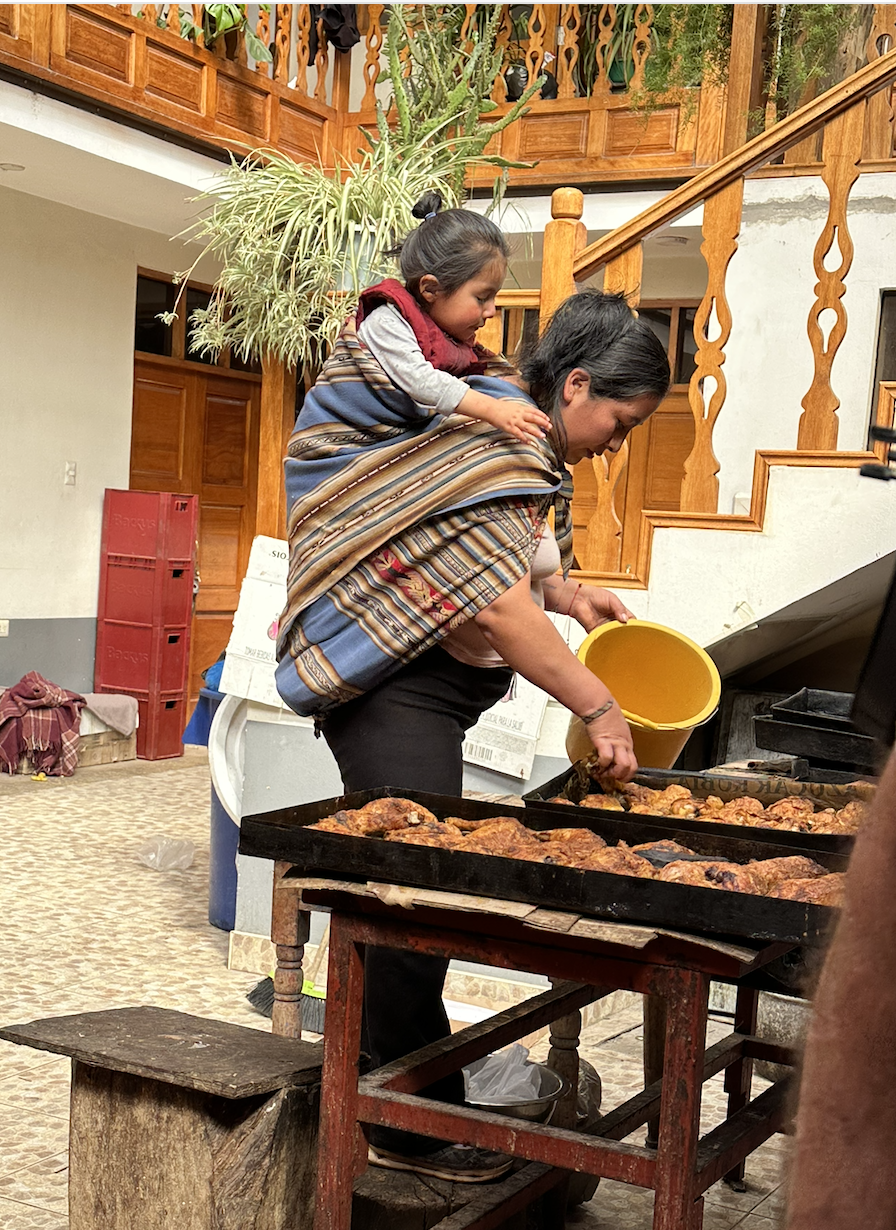
Most homes in Peruvian villages and towns don’t have an oven. Cooking at home tends to be done on a two-ring worktop gas rings. So if you want something that needs to be cooked in an oven, you take it to the baker as they will have a big domed, wood-fired stone oven for baking.
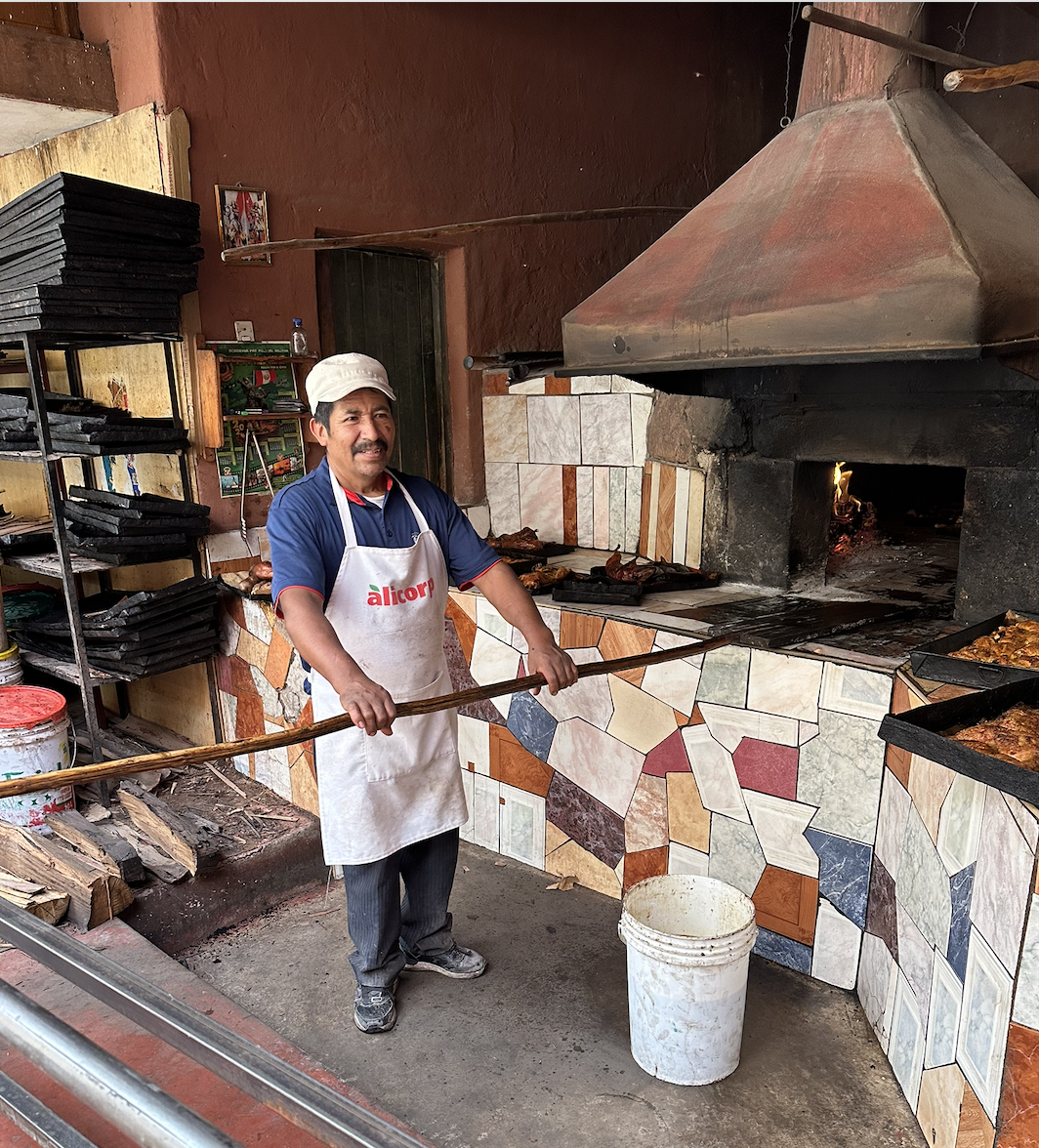
You drop off your raw food, say when you want it and when you return at the appointed time, your food will be cooked and ready for you to collect in whatever receptacle you brought it in (in the case of the woman below, a bucket)
Discovery five
Evidence of the sophistication of the Inca and pre-Inca civilisations is everywhere to be seen across Peru. In the huge sinkhole uncovered in the Sacred Valley, a 60 mile area just north of the Inca capital of Cusco, it’s clear to see how the pre-Incas created ingenious farming terraces, using the variation in temperature and climate at each level to grow different crops.
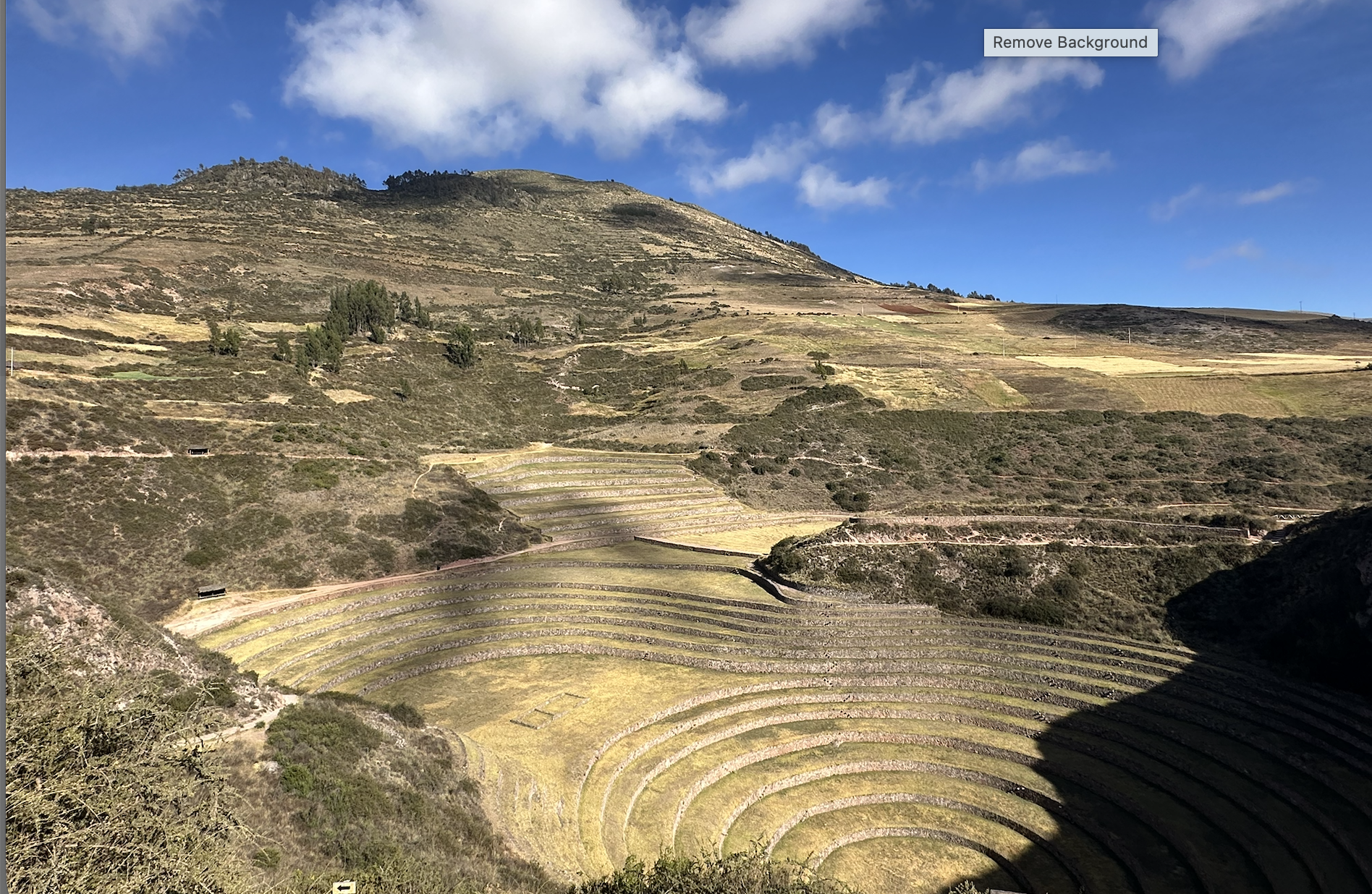
There are many of these circular farming terraces all over the country (as well as thousands of terraces carved into often ridiculously steep mountainsides) but this one at Moray is the biggest of them all.
Discovery six
Not far from the ancient terraces in Moray is a food-production site of a very different sort.
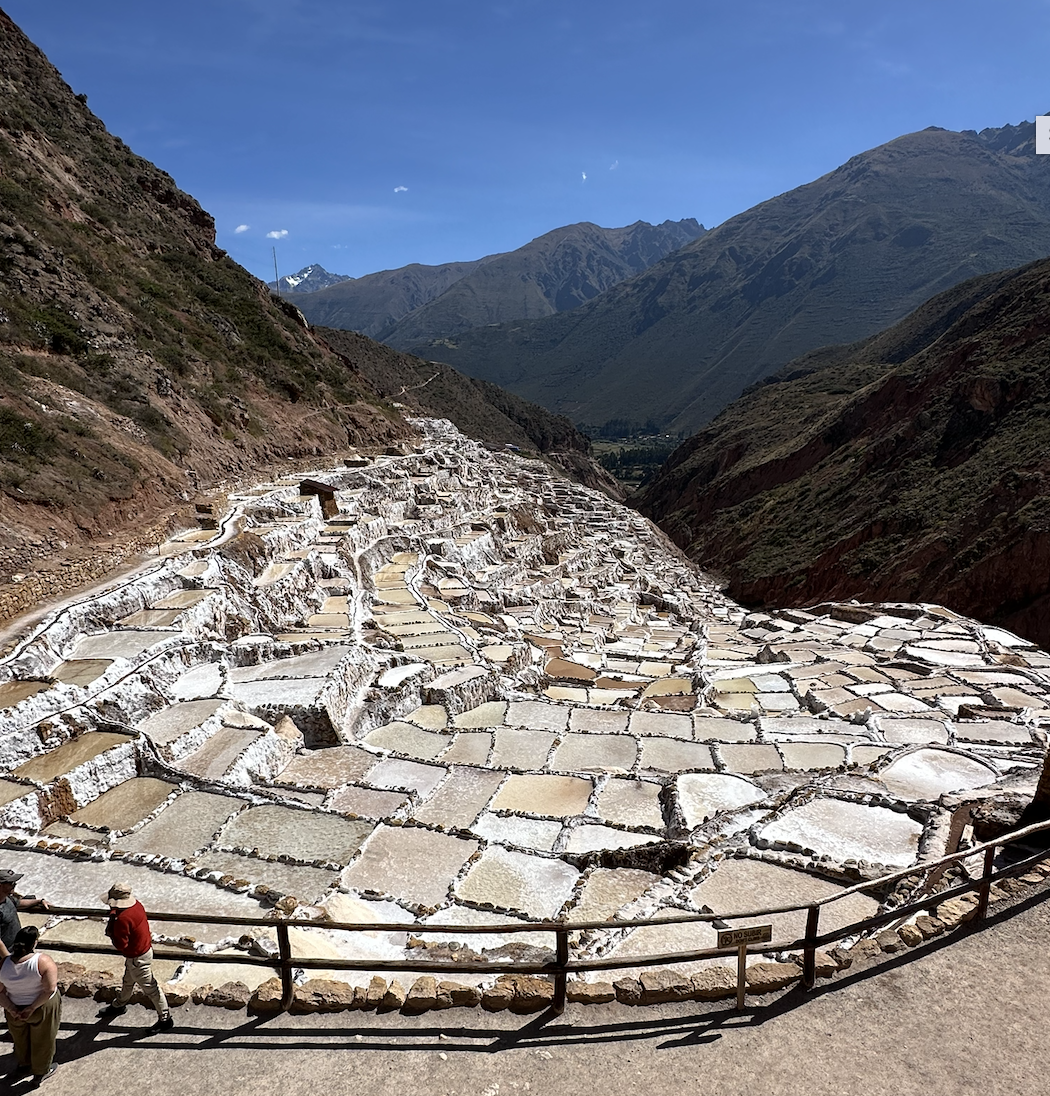
The 6,000 salt ponds in Maras are actually a sort of salt allotment. Owned by just 1,000 families each group of six ponds is harvested mostly for their own and local consumption. The ponds produce three different grades of salt. The purest and whitest is from the surface. The first scraped layer produces the biggest edible crystals whilst the second, deeper scraping is only suitable for industrial use (a lot is sold to the paint industry).
Discovery seven
It’s not only possible to cook food in a hole in the ground, it’s something Peruvians do often for big festivals and celebrations.
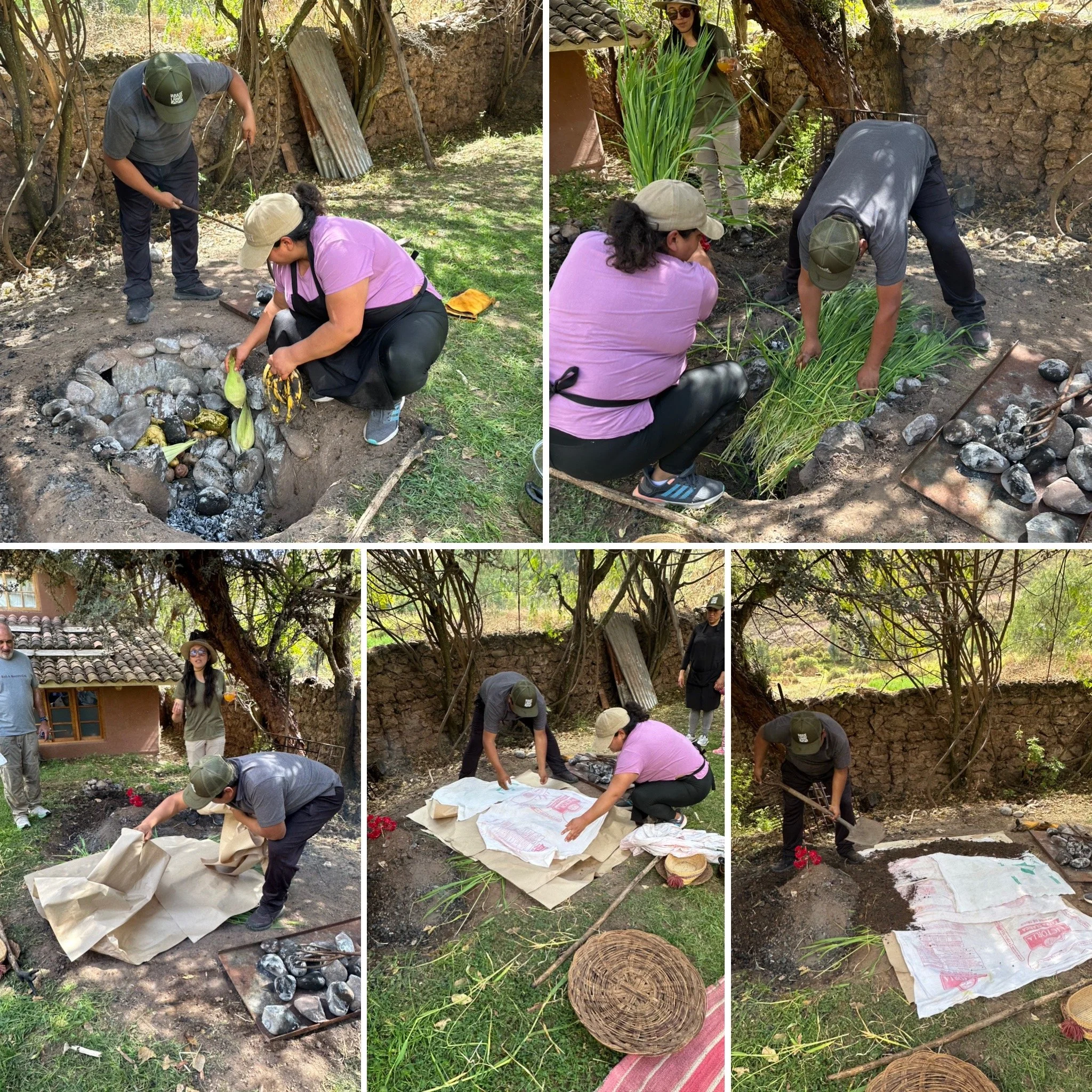
The hole is initially dug and filled with wood then topped with a grill piled with stones. The wood is ignited and when the stones are white hot they’re laid around the edges and bottom of the hole, the food is distributed/thrown amongst them then covered with layers of herbs, grasses, paper and cloth before being re-covered with the earth that was initially dug out. Roughly half an hour later, the earth is removed, the layers peeled back and the absolutely delicious food is ready to be eaten. Genius!
Discovery eight
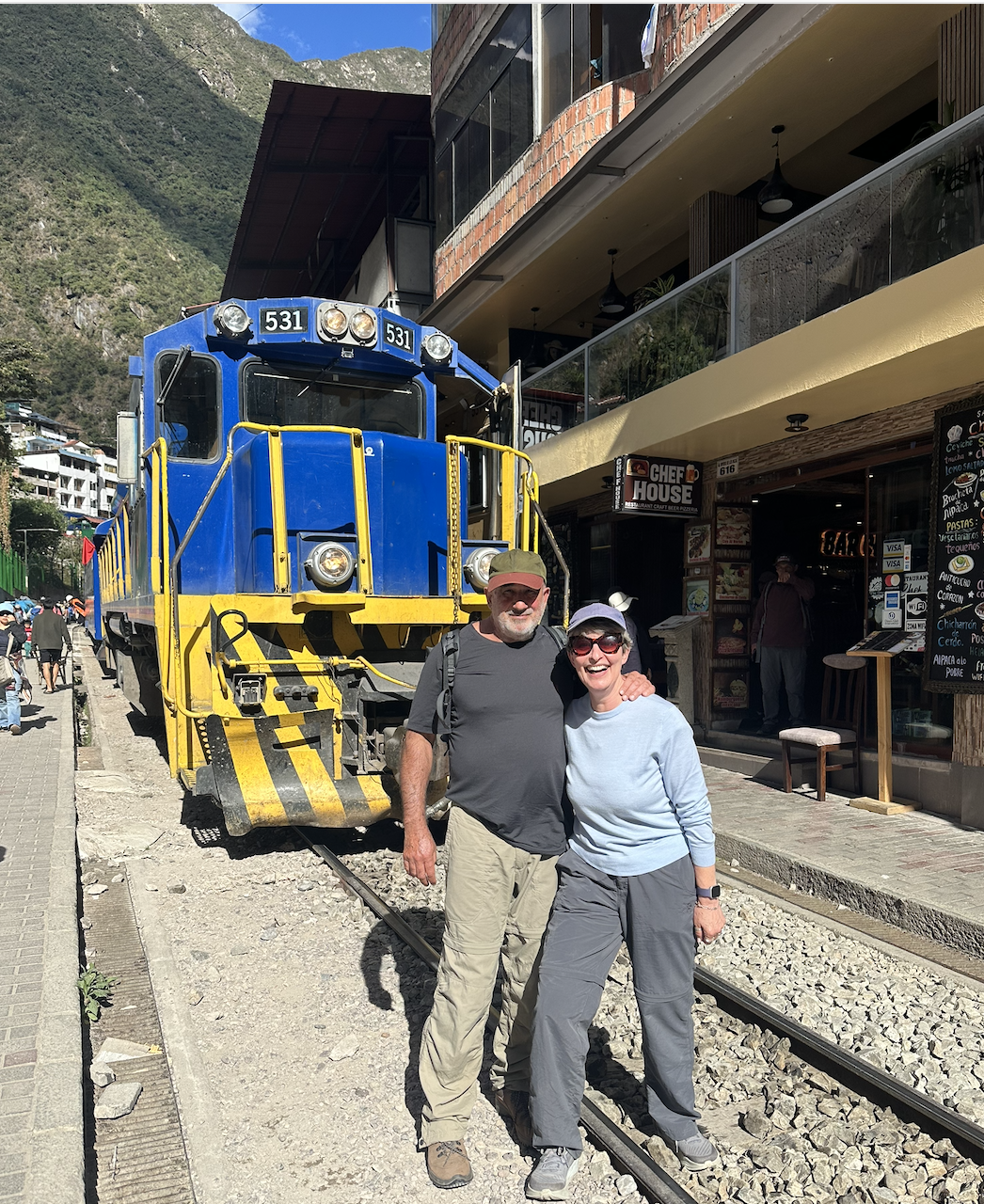
If you decide not to trek along the Inca trail to get to Machu Picchu, you take a train ride through the forests and mountains into Machu Picchu town, a chaotic, hectic place built entirely to accommodate and feed the 10,000 people a day who pass through it. The train passes through the centre of town so close to the buildings you could reach out and touch them.
Discovery nine
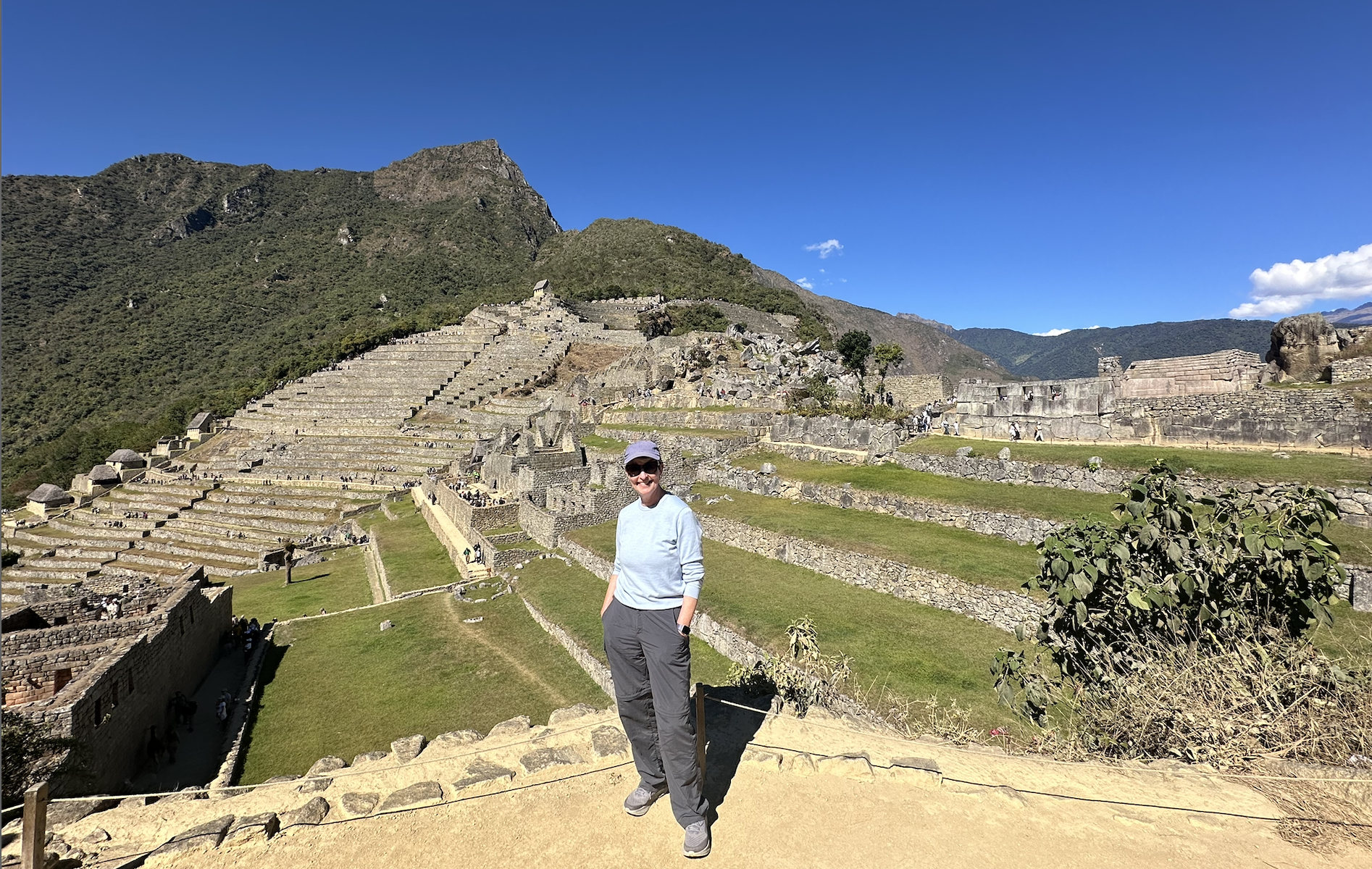
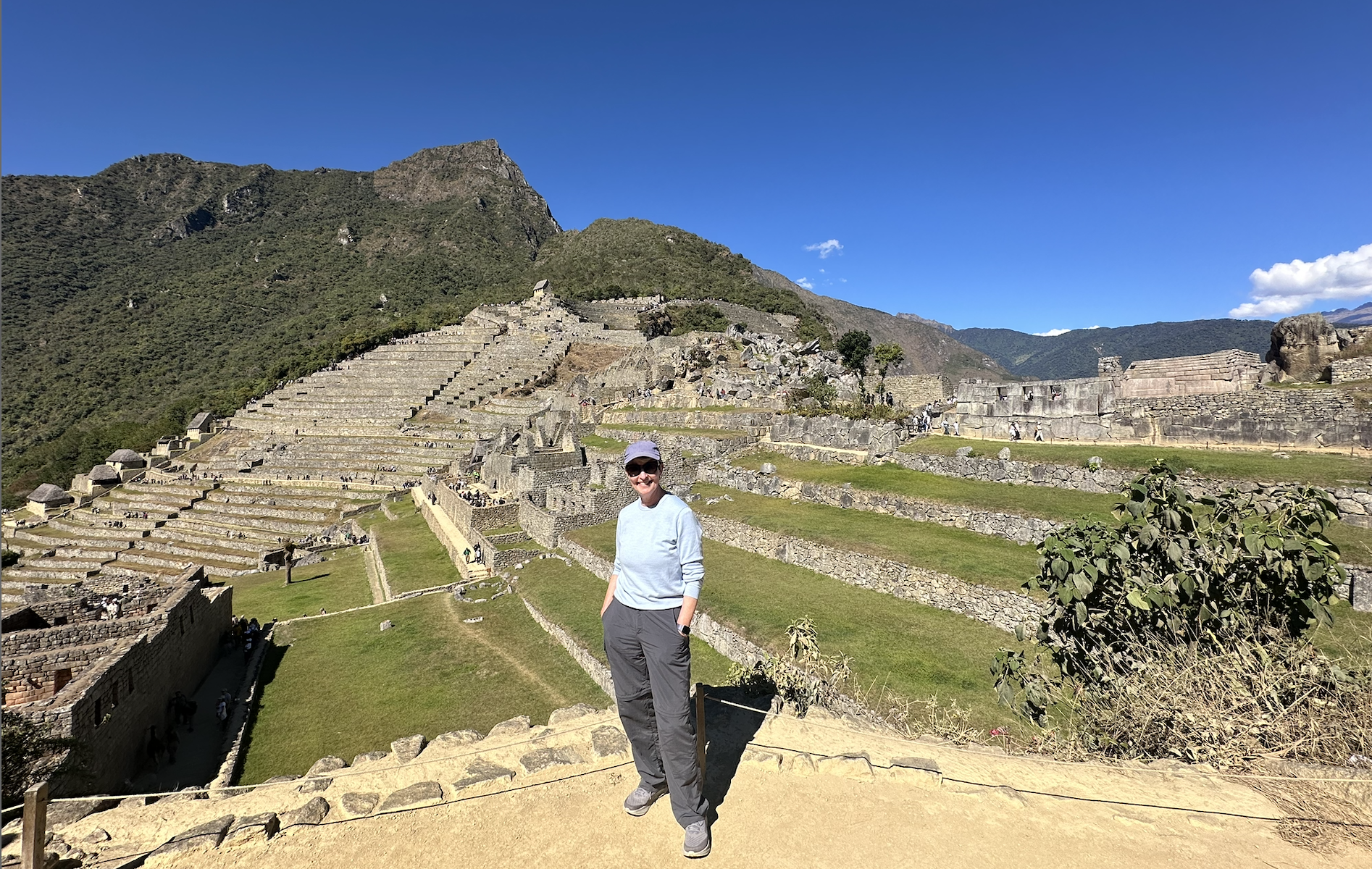
You think you’re prepared for how amazing Machu Picchu is. You’re not. It’s 100 times more astonishing seeing it for real. You’ll also discover that view from it over the surrounding mountains is almost even more jaw-dropping.
Discovery ten
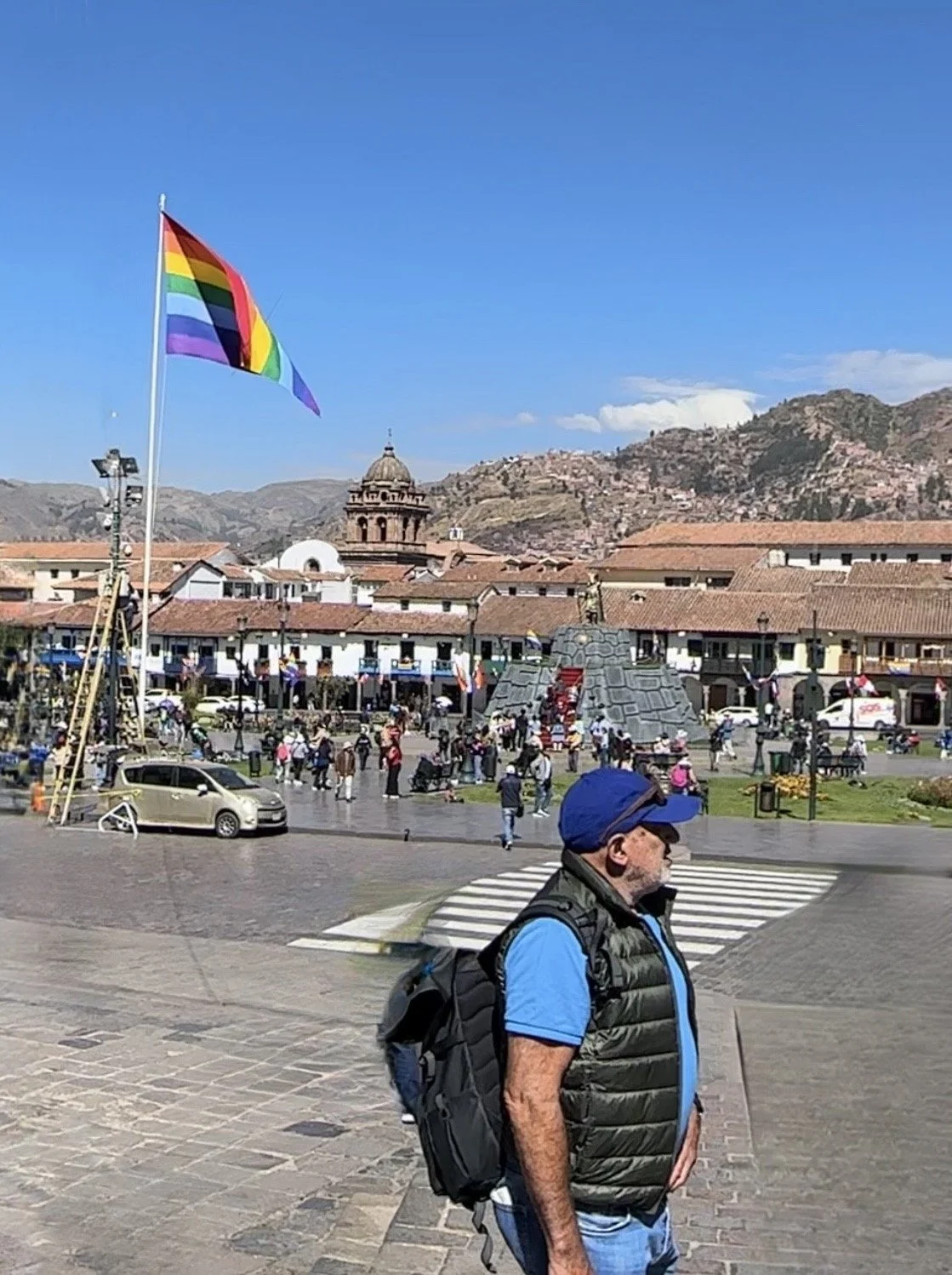
The rainbow coloured flag of Cusco looks remarkably similar to the pride flag (only with the colours in a slightly different order)
Discovery eleven
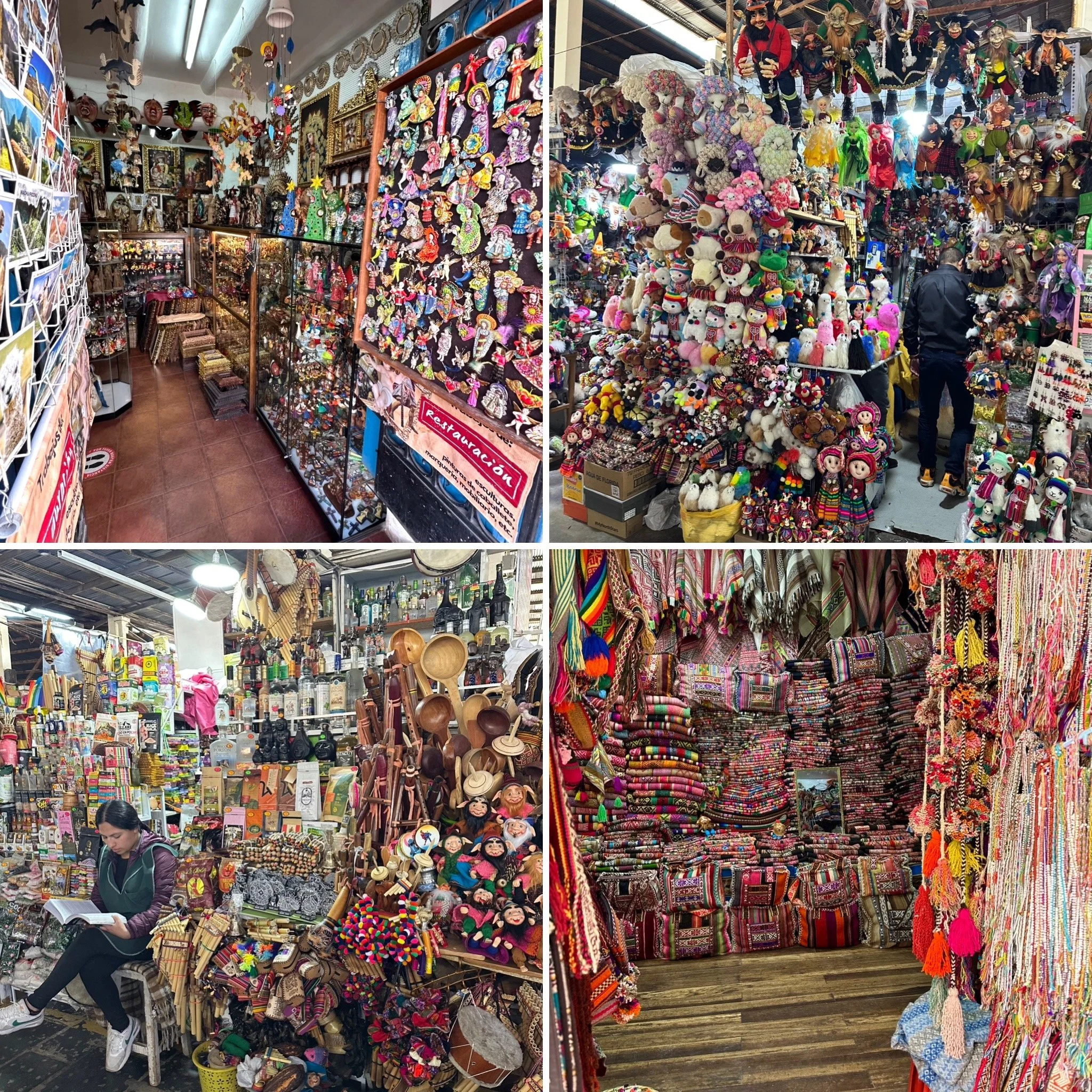
The majority of shop and stall holders in Peru do not subscribe to the retail principle of less is more.
Discovery twelve
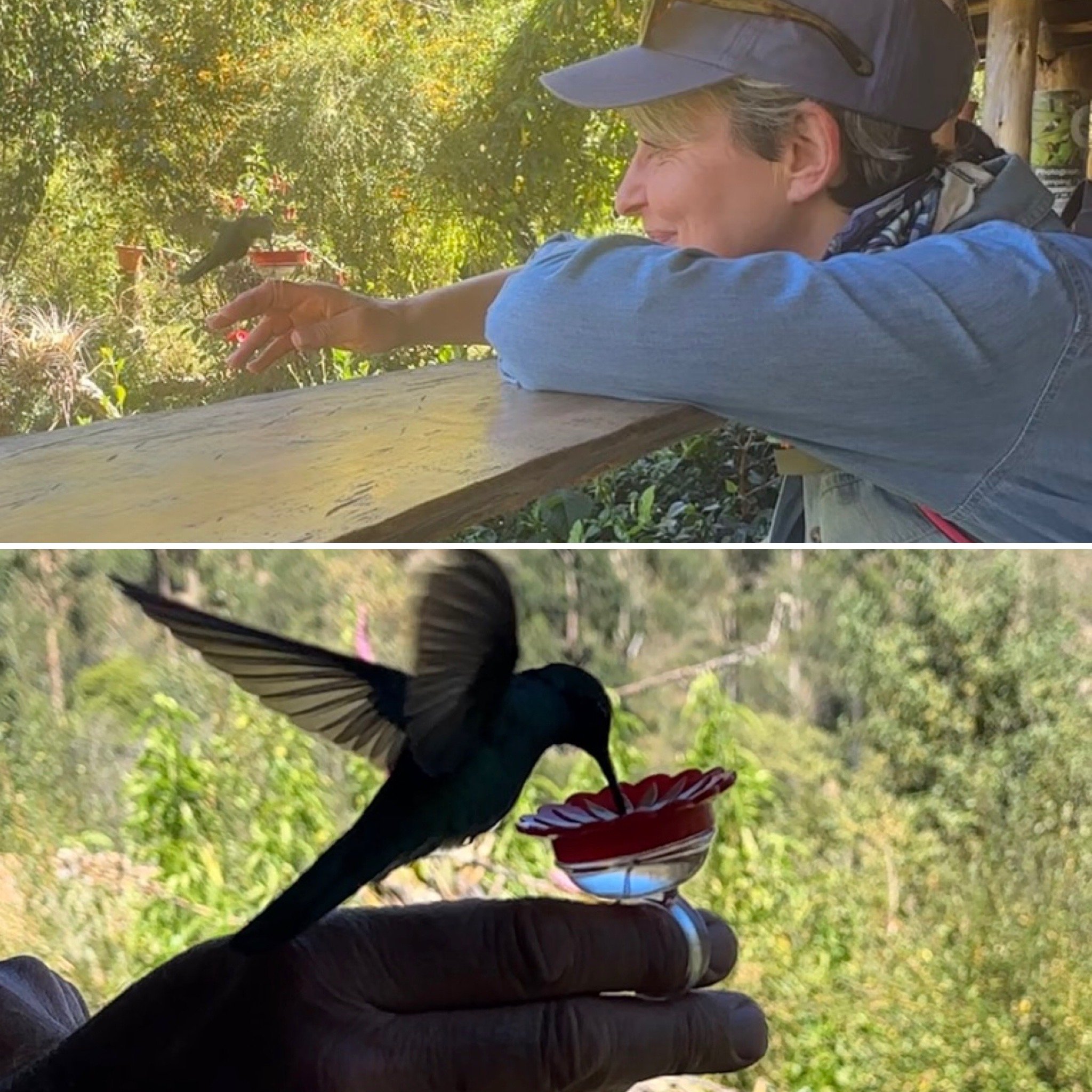
Humming birds, which flap their wings between 50 and 80 times a second, only have 2-3 drops of blood in their bodies.
Discovery thirteen
The Church of the Society of Jesus in Cusco has the most gigantic and ornate alter I’ve ever seen (and I’ve never knowingly walked past a church or cathedral without going inside).
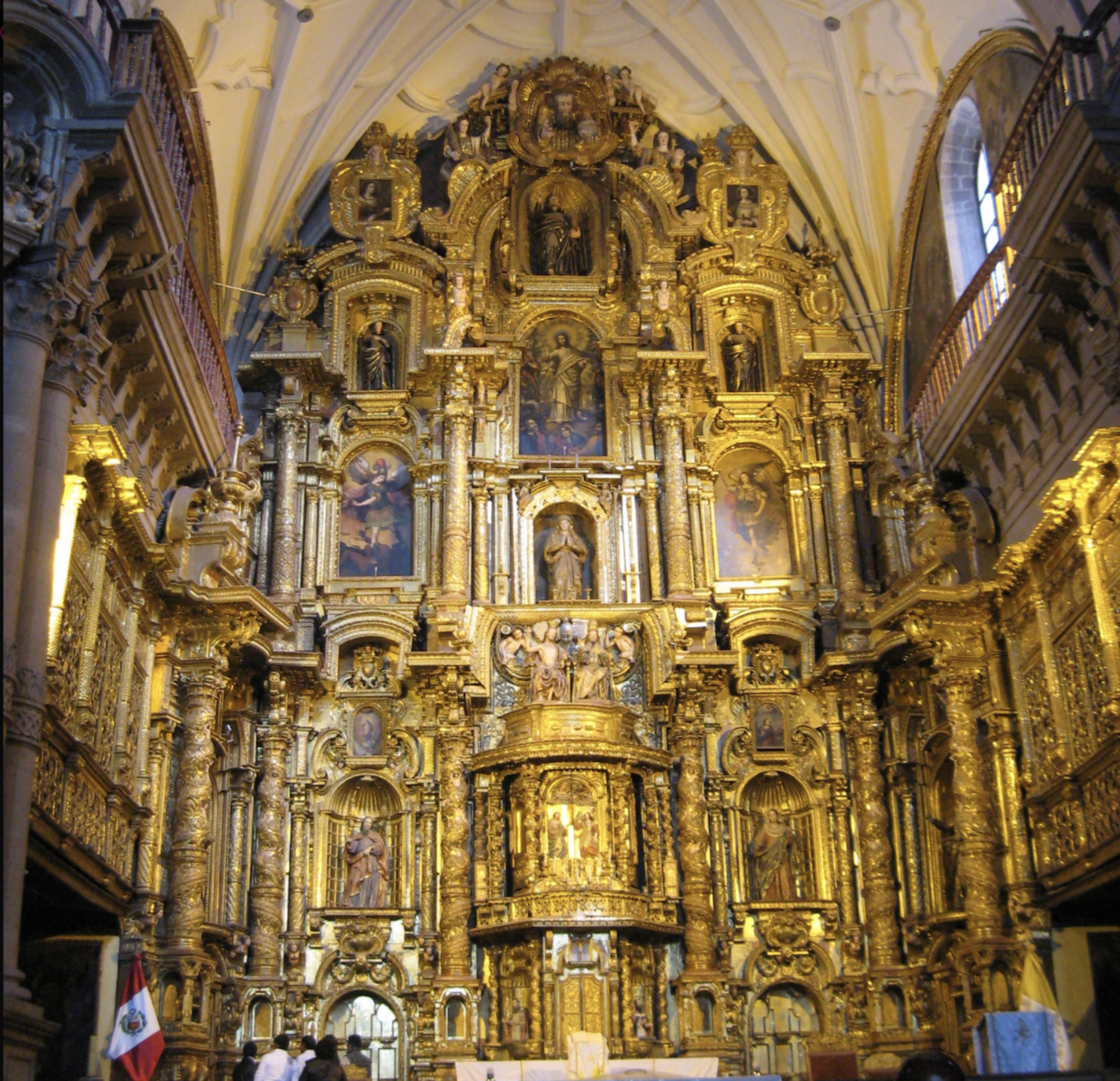
It’s 20 metres high, carved from ceder wood, lavishly coated in gold leaf and widely considered one of the finest examples of Spanish Baroque architecture in the Americas. Which doesn’t surprise me in the least.
Discovery fourteen
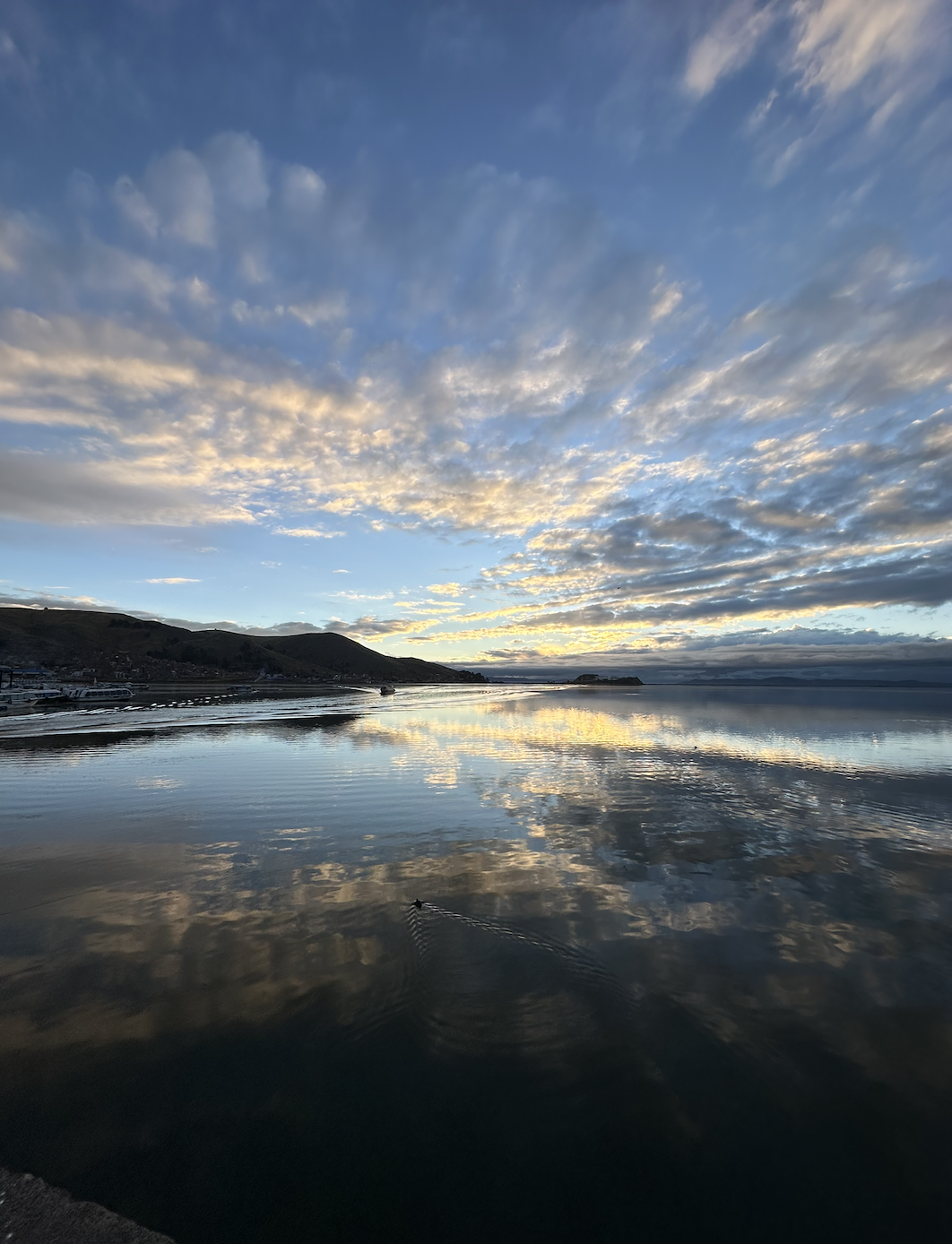
At 3,812 metres above sea level, Lake Titicaca is the highest navigable lake in the world. It’s a particularly spectacular sight at sunrise
Discovery fifteen
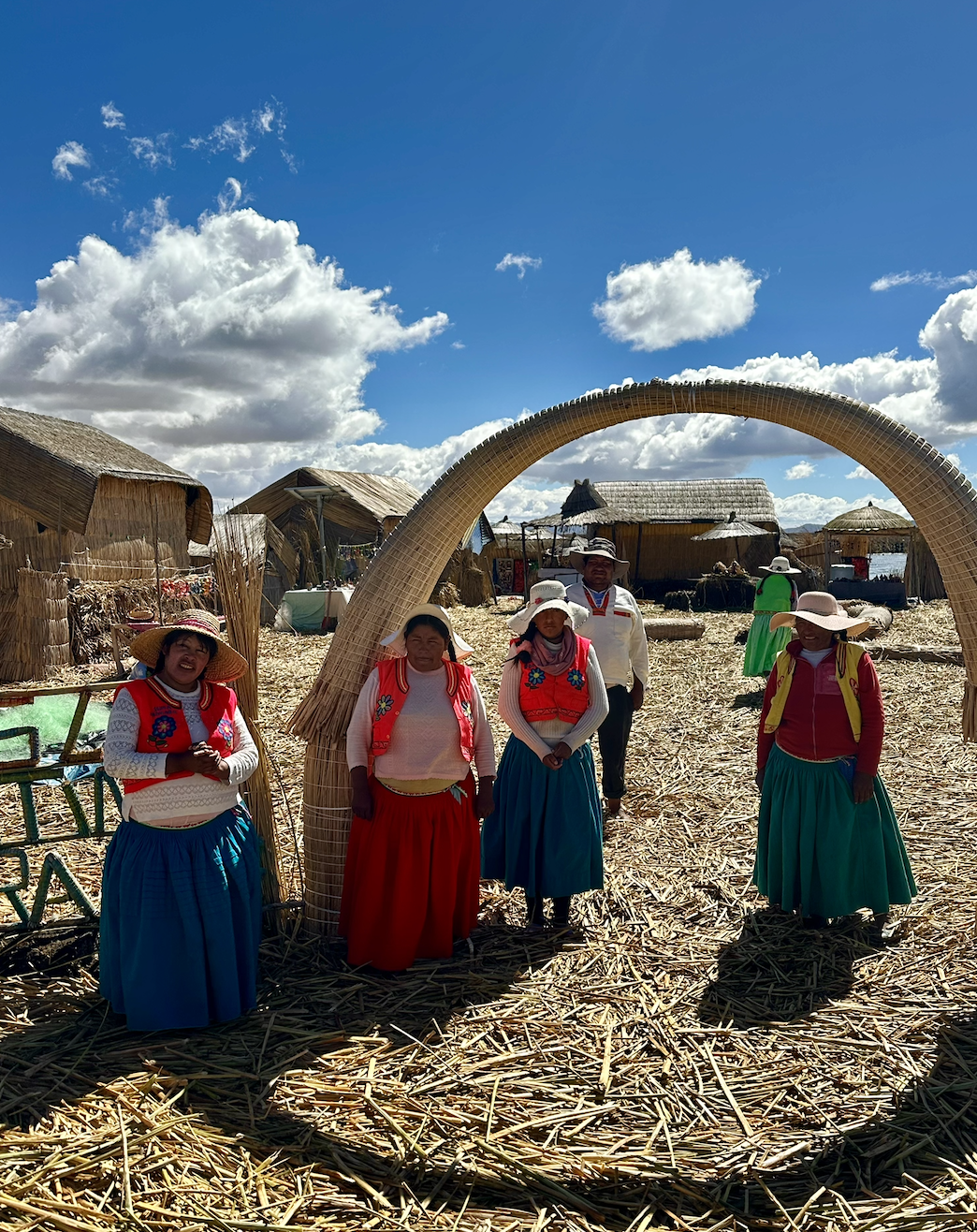
There are 120 inhabited man-made reed islands floating on the lake. The local Uros tribes harvest thick totora roots and weave them together to create byouyant pallets known as khili. These base layers are stacked and covered with multiple layers of dried reeds to make a spongy, springy ground that’s about 2 metres thick. The islands are anchored to the lake bed using long wooden stakes and ropes to stop them from drifting. Because the reeds continuously absorb moisture and rot from the bottom up, the islands have an average lifespan of between 25-30 years.
Discovery sixteen
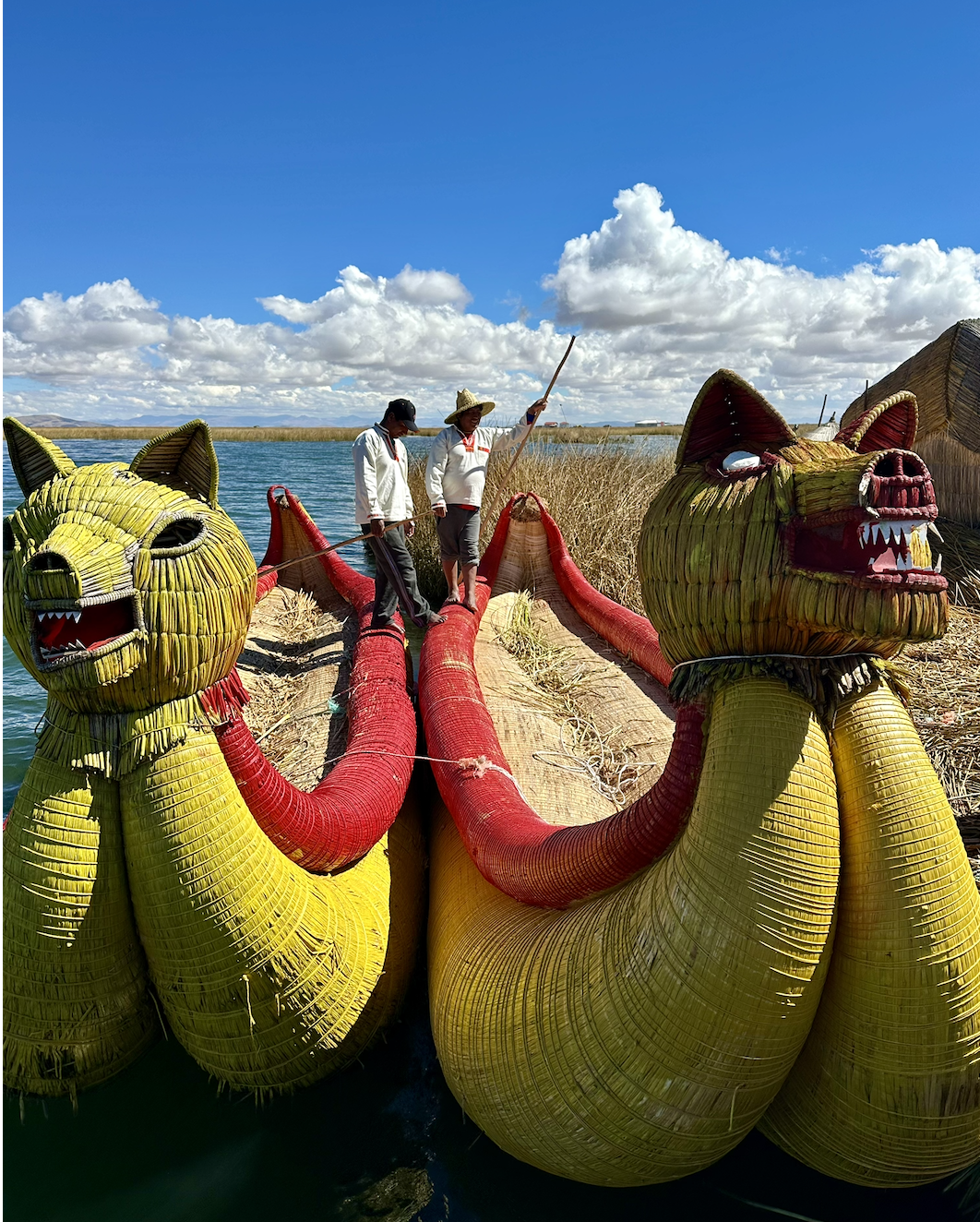
Everything on the islands is sourced from the totora reed—including the homes the people live in, the mattresses they sleep on, their medicine, their tea, and their distinctive colourful crescent-shaped boats which take four months to make and which are propelled with poles very much like punts.
Discovery seventeen
There’s a magical train called the Belmond Andean Explorer which you can ride on a three day, two night journey through the Andes along one of the highest train routes in the world. This is the view we woke up to at sunrise on the second day 4,500 metres above sea level, the highest point of the route
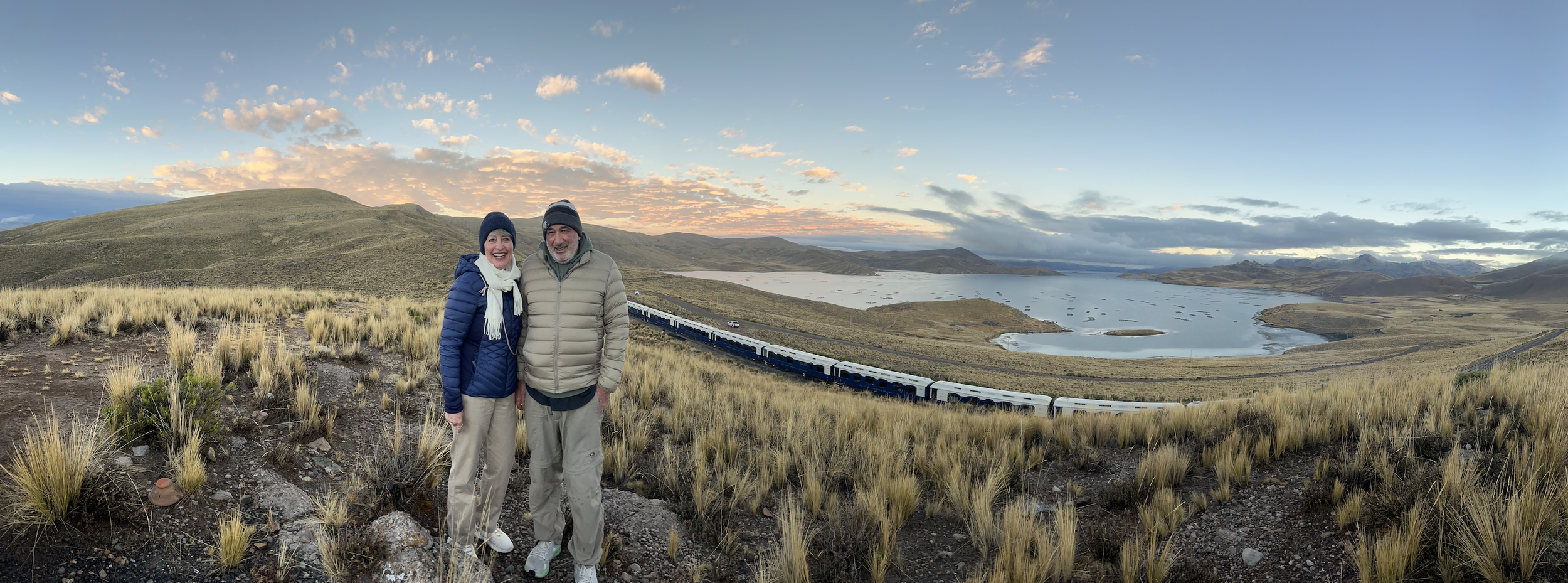
To describe the scenery it travels through as spectacular would be doing it a serious disservice.
Discovery eighteen
Huge numbers of houses in Peru appear to be unfinished. They are. And it’s deliberate. When a house is completed owners have to pay taxes on it. So people leave their homes unfinished in some way, either with no exterior cladding, or with a second or third floor that’s incomplete on purpose to avoid the taxes.
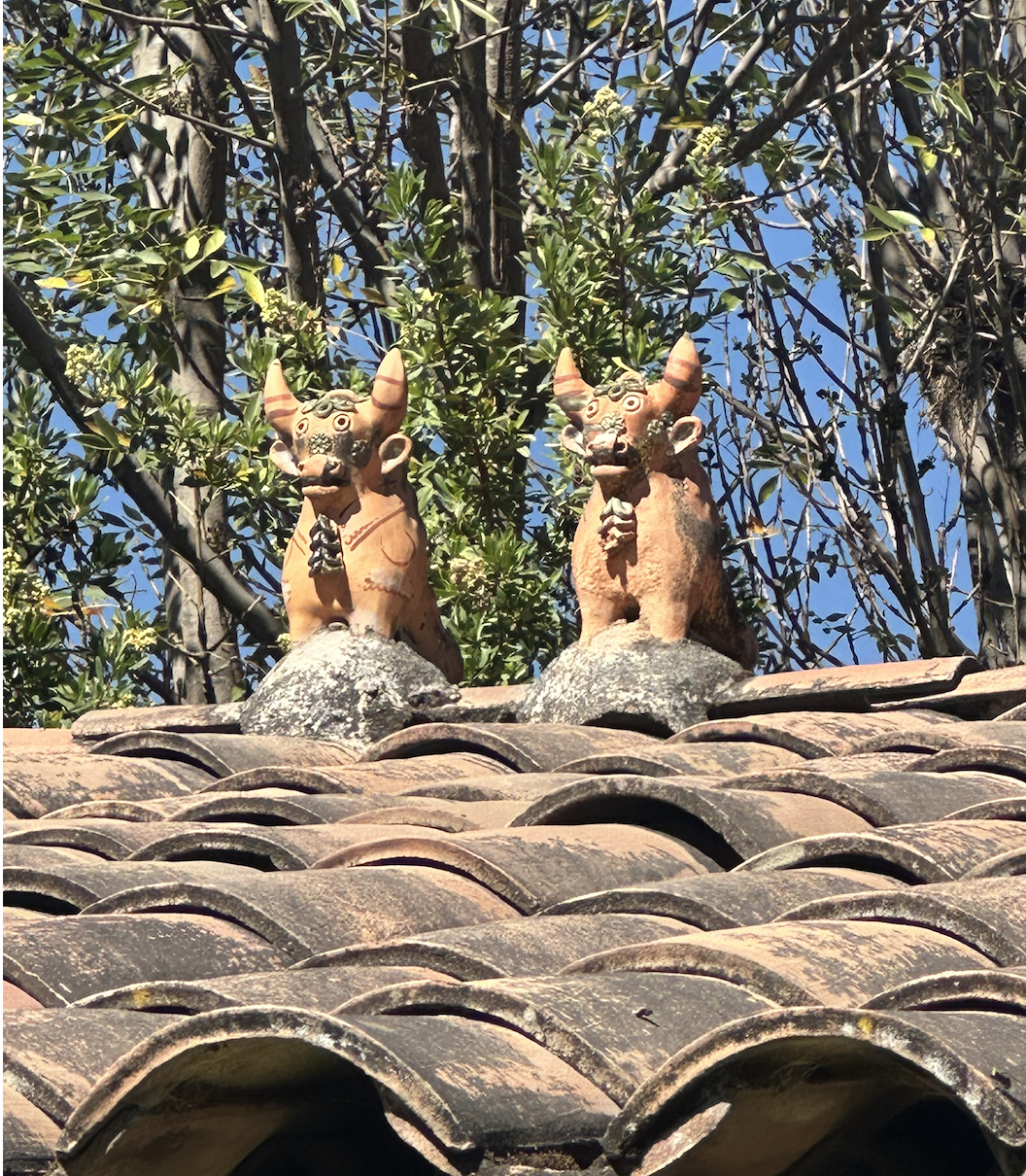
Those homes that do have a fully finished roof all feature two small bulls straddling the apex. They are there to ward off evil spirits and protect the inhabitants (possibly from paying any taxes)
Discovery nineteen
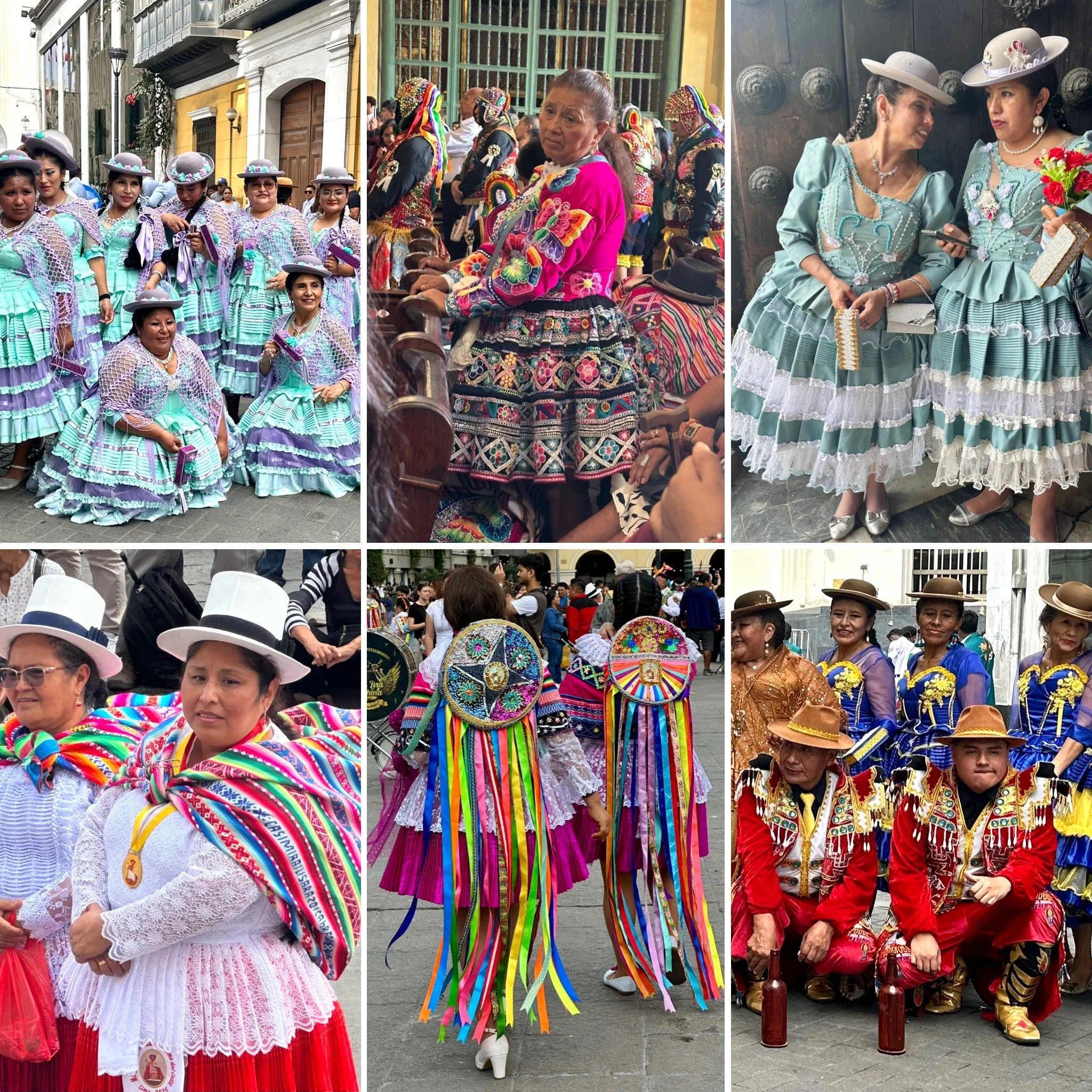
Peruvians love a celebration and when they do celebrate, they do it in wildly exuberant, dazzlingly colourful style. We were lucky enough to stumble across the winter solstice celebrations in Lima where communities from all around the Cusco region converged on the main square for a mass in the cathedral and then to parade their saints through the adjoining streets accompanied by ebullient chanting and dancing .
Discovery twenty
The bright cochineal colour used to dye the alpaca wool that the Peruvians use to make so many of their clothes from comes from a very unexpected source. The parasite that grows on one of their most wide-spread cactus plants.
Discovery twenty one
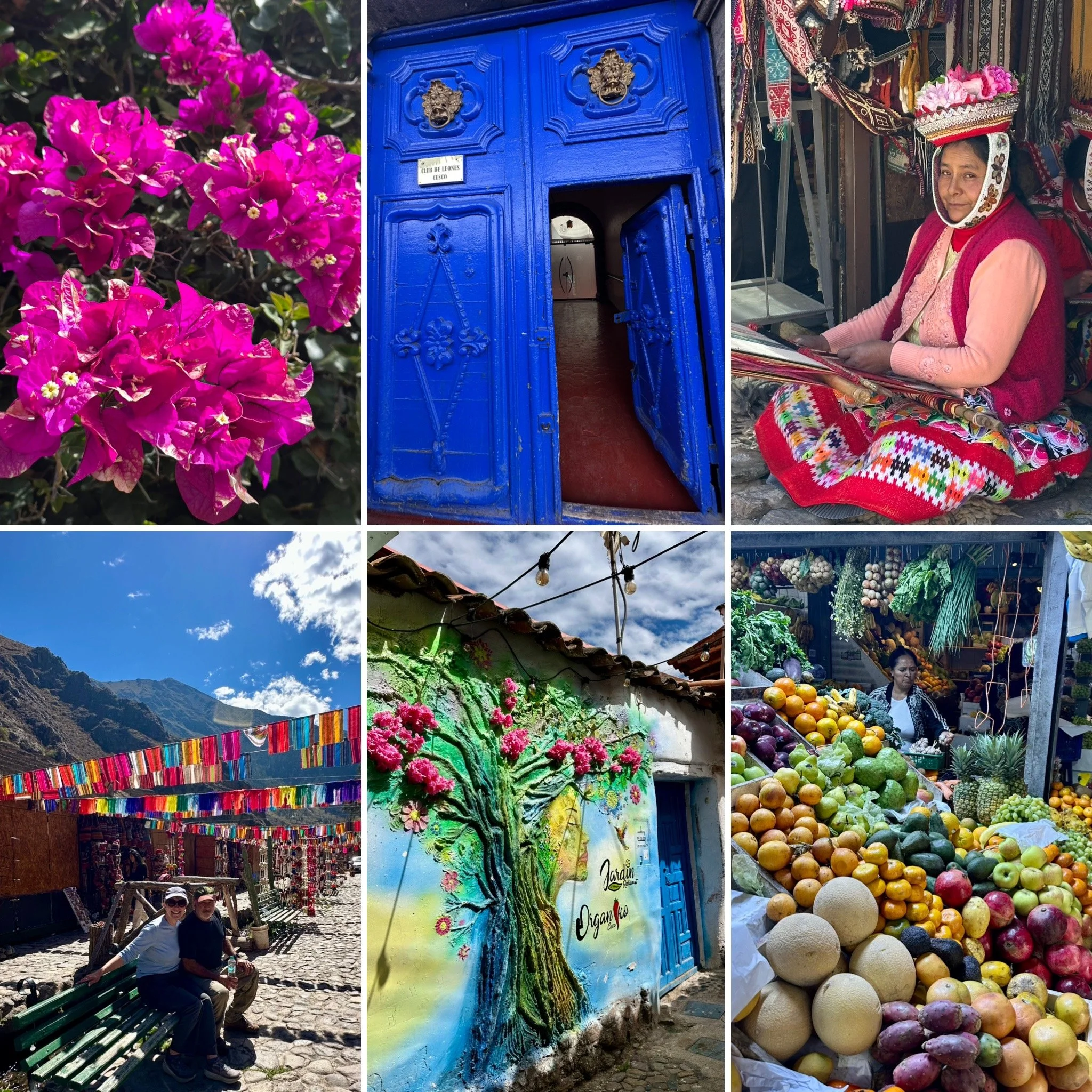
Everywhere, and I do mean everywhere, in Peru is simply drenched in colour. The clothes worn by the people, the decoration of buildings, the flowers, the shops and the goods in them. It is far and away the most magnificently, unapologetically, joyfully colourful country I’ve ever visited.
As promised way back at the beginning (congrats if you’ve made it this far), this was our full itinerary, which we planned being mindful of increasing altitude in increments - each place we stayed was higher than the last until we got to Arequipa - so we could acclimatise at each stop. It worked really well and neither of had any problems other than a slight headache at the highest point on the train:
Lima for 3 nights, then flight to Cusco and car to the Sacred Valley where we based ourselves for several days. Train to Machu Picchu where we stayed for one night, then Cusco for 2 nights. From there we boarded the Belmond Andean Explorer for 3 days/2 nights, arriving in Arequipa for 2 nights before flying back to Lima and home.
Our trip was organised for us by the Ultimate Travel Company and I couldn’t recommend them more highly.