Bite size exercise - how to do it and why it works
Here I am, banging on again about exercise and how much everything about it is good for our bodies and minds. But equally - and as always - recognising that the sort of exercise we do must be something we enjoy, and equally importantly, something that fits into our lives and lifestyles. None of us are ever going to stick with doing something that’s a chore, no matter how good for us we know it is.
So here’s an exercise idea that you might not have thought of or tried.
Bite-size exercise is exactly what it sounds like: short bursts of movement that last anything from 1 (yes, just 1) to 10 minutes, that can be done at any time during your day. Instead of one long workout, you move little and often. A few squats or counter-top press-ups while the kettle boils. A brisk walk round the block. Some stretching before bed.
No gym. No exercise gear. No special kit. No “all or nothing”.
Read on to discover why this counts as a bite size exercise
As we get older our bodies might not move as fluidly or easily as they did when we were younger. But it turns out they often respond better to shorter, more frequent activity than longer, more sustained periods of exercise. Here’s why the bite size approach to exercise can be beneficial as we age:
1. It’s kinder on joints and energy levels
Short sessions reduce strain on knees, hips, and backs. You’re less likely to overdo it or feel wiped out afterwards.
2. Consistency beats intensity
Ten minutes a day does more for strength, balance, and mobility than one full-on workout followed by a days of recovery.
4. It helps maintain muscle and bone strength
After 50 we naturally lose muscle and bone density . Frequent, gentle strength-based movements gently help to maintain the strength our muscles and bones
5. It boosts mood and confidence
Little wins add up. Moving your body regularly — however briefly — improves energy, sleep, and confidence in what your body can do.
6. And your overall health
Research consistently shows that accumulated movement improves strength, balance, heart health and mobility.
What’s not to love about an exercise diet that has the potential to serve up all those benefits?
But what sort of exercises are we talking about? Pretty much any that you can manage and enjoy doing and particularly any that support the everyday activities of standing up, walking, reaching, balancing and carrying is the broad answer.
These are some more specific examples:
1. Sit-to-stands
Sit on a sturdy chair and stand up again without using your arms to push you up (better still keep them outstretched in front of you). That’s one rep. Aim for 5-10 reps a couple of times a day.
Why they’re brilliant:
Strengthen thighs, hips, and glutes
Support knee health
2. Walking — but with purpose
Walking briskly, swinging your arms and keeping your posture straight and tall. Anything from 5 to 15 mins depending how much time you can fit in.
Why it works:
Boosts heart health
Improves joint mobility
Supports balance and coordination
3. Wall push-ups
Stand facing a wall with your hands on the wall, arms fairly straight, at shoulder height, then bend your arms with your elbows wide to bring your chest closer, and push away. That’s one rep. Do 8-12 a couple of times a day. (These can also be done with your hands on the edge of a counter worktop and your legs as far away as feels manageable.)
Why they’re great:
Build upper-body strength
Protect shoulders
Much kinder than floor push-ups
4. Heel raises
Hold onto a chair or counter and slowly rise onto your toes, then lower down. Do 10 slow reps once or twice a day. Work towards being able to do this without holding on to anything.
Why they matter:
Strengthen calves and ankles
Improve balance
Help prevent falls
5. Gentle mobility stretches
Neck rolls, shoulder circles, hip circles, ankle rotations all count towards your bite-size exercise total and are great to do first thing in the morning or before bed.
Why they help:
Keep joints lubricated
Reduce stiffness
Improve range of motion
6. Standing balance practice
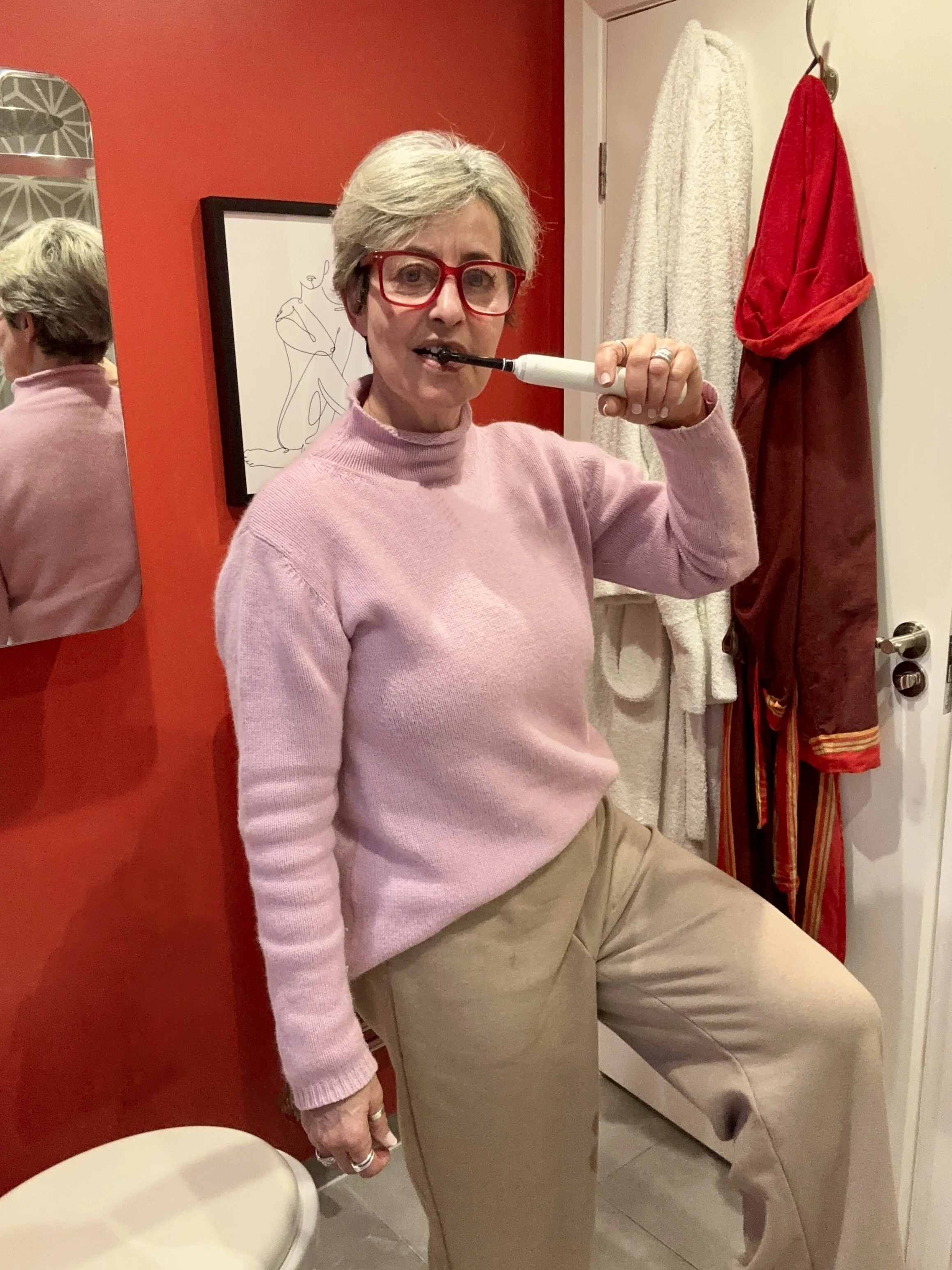
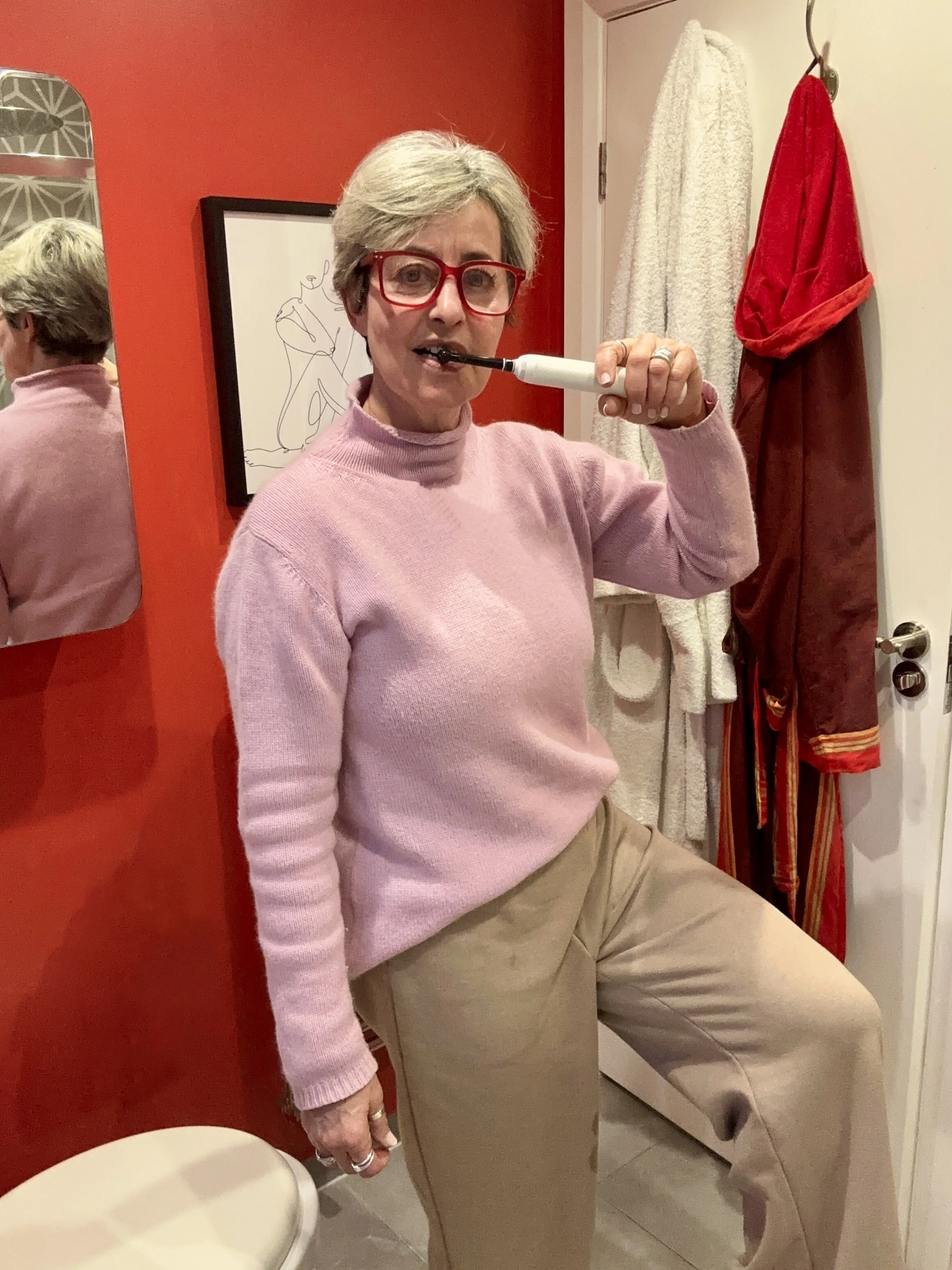
Stand on one leg while brushing your teeth or waiting for the kettle to boil. Start with a few seconds and build up.
Why it’s powerful:
Trains balance and coordination
Reduces fall risk
Builds confidence on your feet
See? None of those are too demanding, or difficult to fit into your daily routine. The trick with bite-size exercise is to attach it to habits you already have (tea breaks, brushing your teeth - I’ve been brushing ny teeth standing on one leg for so long now it feels weird if I don’t!) Keep the exercises easy enough to do when you’re having a low-energy day and keep in mind - something is always better than nothing.
So the next time you think “I don’t have time to exercise”, try asking yourself instead “what could I do for two minutes right now?” Those minutes, and those small, regular movements, really do add up to make a difference.